The Evolution of Money: Mastering Digital Payments with Credit Card Wallets
The way we exchange value has undergone a seismic shift in the last decade. Gone are the days when a heavy leather wallet stuffed with cash and multiple plastic cards was a daily necessity for survival. Today, the concept of a Digital Payment with Credit Card Wallet has redefined commerce, blending the tangible security of traditional banking with the sleek efficiency of modern technology. This transformation isn't just about convenience; it represents a fundamental change in how businesses operate, how consumers budget, and how economies function on a global scale.
When we visualize this ecosystem, we often think of abstract concepts like "the cloud" or invisible data streams. However, the reality is grounded in very specific tools: your smartphone, your physical credit card, and the digital interface that binds them. Whether you are buying a morning coffee, paying utility bills, or managing complex business expenses, the integration of mobile payment systems has become the backbone of modern financial interaction.
Bridging Physical Assets and Digital Interfaces
At the heart of this revolution is the seamless merger of physical currency and digital representation. A Digital Payment with Credit Card Wallet does not eliminate the need for money; rather, it digitizes the method of access. Your credit card remains the source of funds, linked to your bank account or line of credit, but the transaction mechanism changes entirely.
Consider the visual metaphor often used in marketing and design: a smartphone hovering over a terminal, surrounded by floating coins, banknotes, and a digital receipt. This imagery captures the essence of the transaction. The phone acts as the vessel, the credit card provides the liquidity, and the digital wallet serves as the secure vault. When you tap your device, you aren't just moving data; you are executing a financial transaction that mirrors the handing over of cash, but with added layers of encryption and speed.
This hybrid approach allows users to carry the equivalent of an entire bank branch in their pocket. You can store loyalty cards, transit passes, and multiple credit lines in one app. The wallet is no longer a physical object made of leather or fabric; it is a software environment designed to protect your identity while facilitating rapid online payment processes.
The Mechanics of a Secure Transaction
Understanding how these systems work demystifies the technology and builds trust. When you initiate a Digital Payment with Credit Card Wallet, several things happen in a fraction of a second. First, your device uses Near Field Communication (NFC) or QR code technology to establish a connection with the merchant's terminal. Next, the system generates a unique, one-time token. This token replaces your actual credit card number during the transmission.
This process, known as tokenization, is crucial for security. Even if a hacker intercepts the data stream, they only get a useless string of characters that cannot be reused. Furthermore, biometric authentication—such as fingerprint scanning or facial recognition—adds a personal layer of verification that a signature or PIN simply cannot match. This ensures that the money leaving your account is authorized strictly by you.
The result is a cinematic flow of information: a swift movement from your hand to the terminal, followed instantly by a digital receipt appearing on your screen. This immediacy reduces friction in commerce and allows businesses to serve customers faster, reducing lines and improving the overall consumer experience.
Impact on Modern Business and Economics
The adoption of digital payments extends far beyond individual convenience; it reshapes entire industries. For small business owners and large corporations alike, accepting mobile payments opens up new avenues for growth. It eliminates the risks associated with handling large amounts of cash, such as theft, loss, or counting errors. Moreover, it streamlines accounting practices.
In the realm of economics, the shift toward cashless societies increases transparency. Every digital transaction leaves a trace, making it easier to track spending habits, analyze market trends, and enforce tax compliance. For entrepreneurs, the data generated by these transactions is gold. It reveals peak shopping times, popular products, and customer retention rates, allowing for more informed strategic decisions.
- Speed of Service: Transactions are completed in seconds, increasing throughput in high-volume environments like grocery stores or transit stations.
- Global Reach: Digital wallets often handle currency conversion automatically, enabling tourists and international shoppers to spend effortlessly without visiting exchange bureaus.
- Hygiene and Safety: Contactless payments reduce the physical exchange of germs, a factor that became critically important in recent years.
- Financial Inclusion: In regions where traditional banking infrastructure is scarce, mobile wallets allow people to participate in the economy using only a smartphone.
Navigating the Visual and Functional Landscape
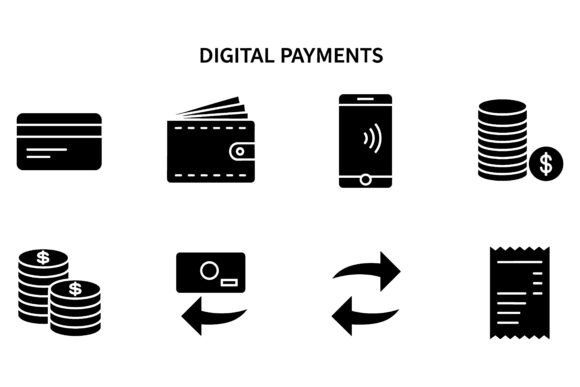
The design language surrounding finance has also evolved. Where old banking ads featured stacks of gold coins and严肃-looking executives, modern payment methods are marketed with dynamic visuals. Think of motion graphics showing coins turning into pixels, or black-and-white minimalist interfaces highlighting the simplicity of a single tap. These visual cues reinforce the idea that money management is now creative, fluid, and accessible.
For developers and designers working in the fintech space, understanding these aesthetics is vital. The user interface must convey trust while feeling effortless. A cluttered screen or a confusing checkout process can abort a sale instantly. Therefore, the "style" of the payment experience is just as important as the underlying code. The background of a payment app should be clean, the symbols intuitive, and the feedback immediate.
Practical Considerations for Users
While the benefits are numerous, adopting a Digital Payment with Credit Card Wallet requires some mindfulness. Users must be aware of their digital footprint and practice good cyber hygiene. Just as you wouldn't leave your physical wallet on a park bench, you shouldn't leave your phone unlocked or connect to unsecured public Wi-Fi when making transactions.
It is also essential to understand the fees and rewards associated with different platforms. Some digital wallets offer cashback incentives or points for every purchase, effectively turning your spending into an investment. Others might charge fees for instant transfers or currency conversions. Reading the fine print ensures that you maximize the value of your financial tools.
- Device Compatibility: Ensure your smartphone supports the necessary NFC chips or operating system versions required by major wallet providers.
- Battery Life: Since your phone is now your bank, keeping it charged is critical. A dead battery means no access to funds.
- Backup Methods: Always have a backup plan, such as a physical card or a small amount of cash, in case of technical glitches or network outages.
- Privacy Settings: Regularly review app permissions to ensure your financial data isn't being shared unnecessarily with third parties.
The Future of Currency and Commerce
As we look ahead, the line between physical and digital money will continue to blur. We are moving toward a world where the credit card itself might become obsolete, existing only as a virtual number within a secure app. The concept of a wallet will evolve further, potentially integrating with wearable technology like smartwatches or even augmented reality glasses.
The trajectory is clear: payments will become more invisible, more integrated, and more intelligent. Artificial intelligence may soon predict your bills and pay them automatically, or suggest budget adjustments based on your spending patterns. The Digital Payment with Credit Card Wallet is not the end of the journey; it is merely the current chapter in the ongoing story of human exchange.
Embracing this technology empowers individuals to take control of their financial lives with unprecedented precision. It offers a blend of security, speed, and insight that traditional methods simply cannot compete with. Whether you are a student managing a allowance, a freelancer invoicing clients, or a corporation processing millions in revenue, the digital wallet is the key to unlocking a more efficient economic future. The transition from coins and notes to taps and tokens is complete, and the possibilities for innovation are limitless.